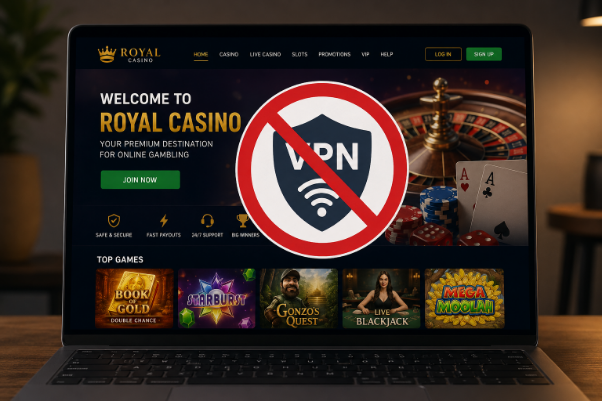
If, for any reason, you want to access a casino or a gambling company that is not accessible within your jurisdiction and you use a VPN to do so, then you need to be aware that gambling companies are usually a few steps ahead in finding out where you are and potentially use that against you. How? Let’s find out!
- Online gambling companies use special software to determine your real location at any time
- Gambling companies can also see your real UCID (Computer ID), along with several other pieces of data on your ID
- The terms and conditions of each company will indicate whether you can still keep your winnings if you use a VPN
- Using VPNs to hide your location might be used against you in disputes with the casino or betting company
Who uses VPN to access gambling websites
In the modern global online gambling environment, players have several reasons why they want or need to use VPNs to access their favourite gambling websites. The main ones are:
- The country’s legal framework bans certain game types (casino games, slots, betting exchange)
- Your favourite gambling company, when you lived in one country, is no longer available in your new country of residence
- You want to hide your actual IP address because it is associated with another account.
Whatever the reason, online casinos and betting companies have rather unique approaches. Some welcome those players, others have their own redirection protocols, so players won’t need a VPN, and others run software that detects and blocks VPN access.
What is important to know, however, is that certain gambling websites will let you access, register, and deposit, but might present obstacles when you try to withdraw your funds.
KYC with a VPN in online gambling
If you belong to any of these categories and have used the VPN to access a website that is not otherwise available, you should also know that, sooner or later, the online casino will need to KYC you.
KYC stands for Know Your Customer. It’s a verification process most commonly imposed by regulatory authorities.
In most cases, gambling websites do not require KYC during registration and deposit. Unless required by law, such as in some regulated markets (the US, United Kingdom, Germany, etc.), where operators must collect hard verification evidence immediately after registration.
The KYC process includes:
- sending a copy of ID, Passport, or Driving License
- a proof of address
- a selfie taken with the mobile phone that is used to play online games.
What each operator will ask often varies, and it is based on the compliance department’s directives. However, it’s almost certain that some form of KYC verification will be required before you attempt your first withdrawal.
What do the terms and conditions say about VPNs
The Terms and Conditions of gambling companies are there to prioritise the operators’ interests. In most cases, gambling companies include a T&Cs provision specifically banning customers from using VPNs to access their websites.
Although not explicitly applied during registration and deposit, the Terms and Conditions will definitely be used against customers who try to withdraw funds and have used a VPN to access games that are otherwise prohibited.
What measures do gambling companies take to spot you
Gambling companies use special software to detect the use of VPNs and other tools customers use to trick the system, including roulette system software and hot jackpot detectors.
Anti-VPN and anti-fraud software is widely available, and gambling operators purchase it from day 1 of their operations. On top of that, some casinos employ people to run manual fraud checks, including country-specific VPN patterns that clearly indicate the person is not based in a permitted gambling country.
How can you get away with it?
This is the million-dollar question! In reality, you can’t! Most gambling websites feature the latest word of anti-fraud technology to detect at any time if you are using a VPN or if you are playing mostly from a location different to that you are declaring.
The only decent piece of advice we can give you is to play primarily at legal online casinos in your country of residence, so you won’t need to use a VPN. In any other case, especially when using software that alters any of your KYC data, the gambling operators will also use their legal right to prevent you from getting paid your casino winnings.
Is it safe to play with a VPN?
Well….who knows! VPN is a piece of software. And a piece of software from untrusted sources may contain malicious code that could harm your computer.
Buying a VPN from a reputable source is advised when playing at an online casino or engaging in online sports betting, and you need this tool to access the website. But downloading and granting access to your phone and laptop to any VPN without checking its origin might prove a costly decision.
Conclusion
A VPN might give you access to gambling websites that you could otherwise not access; however, when asked to KYC your account, the operator will most likely find out where you really are.
And this is most likely the right excuse for them to restrict access to your winnings or even – even worse – close your account, in order to avoid paying you. Make sure to read the operator’s Terms and Conditions to understand the casino’s stance on using online VPNs before you decide to play on that website.